Brands we offer
Honda
Kawasaki
Suzuki
Yamaha
BMW
Ducati
Triumph
KTM
ECU flashes
Fuel, ignition, and throttle mapping for street or track on Honda, Kawasaki, Suzuki, Yamaha, BMW, Ducati, Triumph, and KTM. All ECU flashes $349.99.
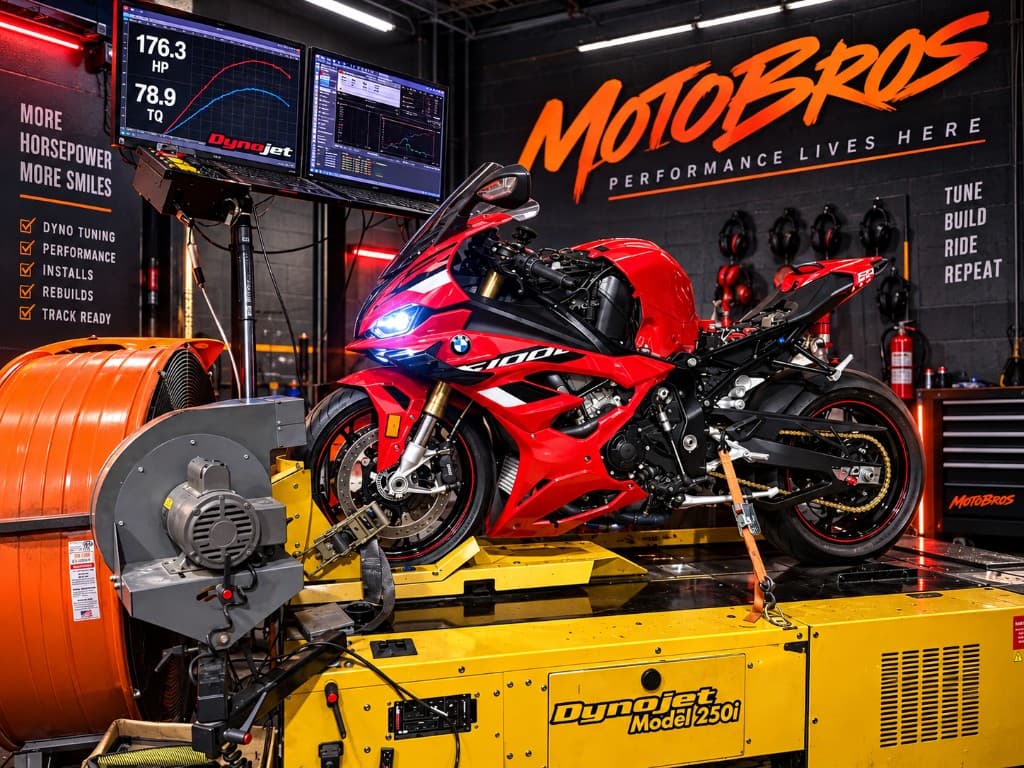
Dyno Tuning services
Bring the bike. Grom and Z125 start at $194.99. Other 125–500cc bikes are $449.99. 600–750cc is $649.99. 800cc and up is $749.99.
Build your tune
Pick the service, motorcycle, and setup, then add it to your cart.
Performance in Action
Dyno-tested. Track-validated. Built for real-world power.
Dyno Tuning services
Baseline to optimized.
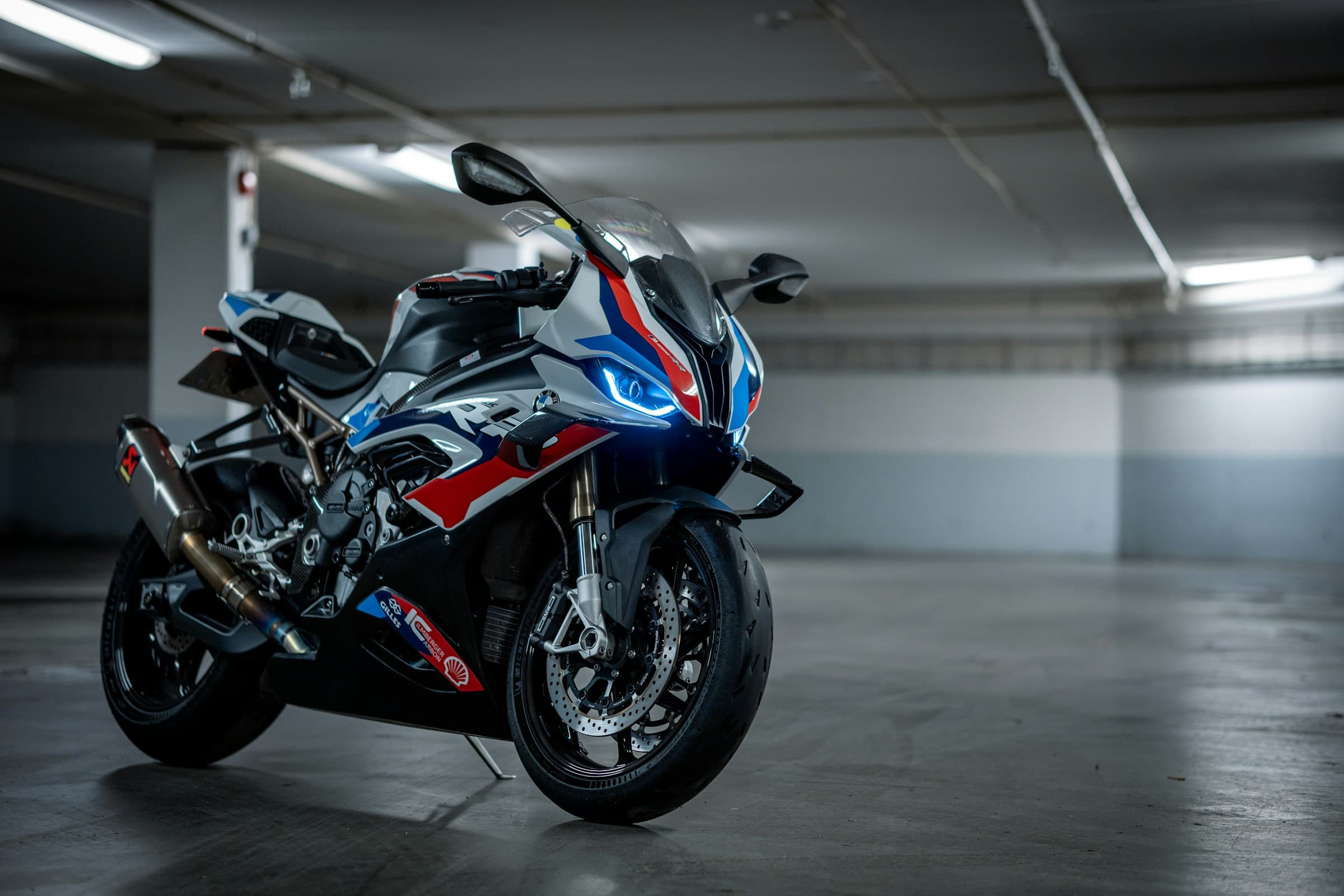
ECU flashes
Fuel, ignition, throttle.
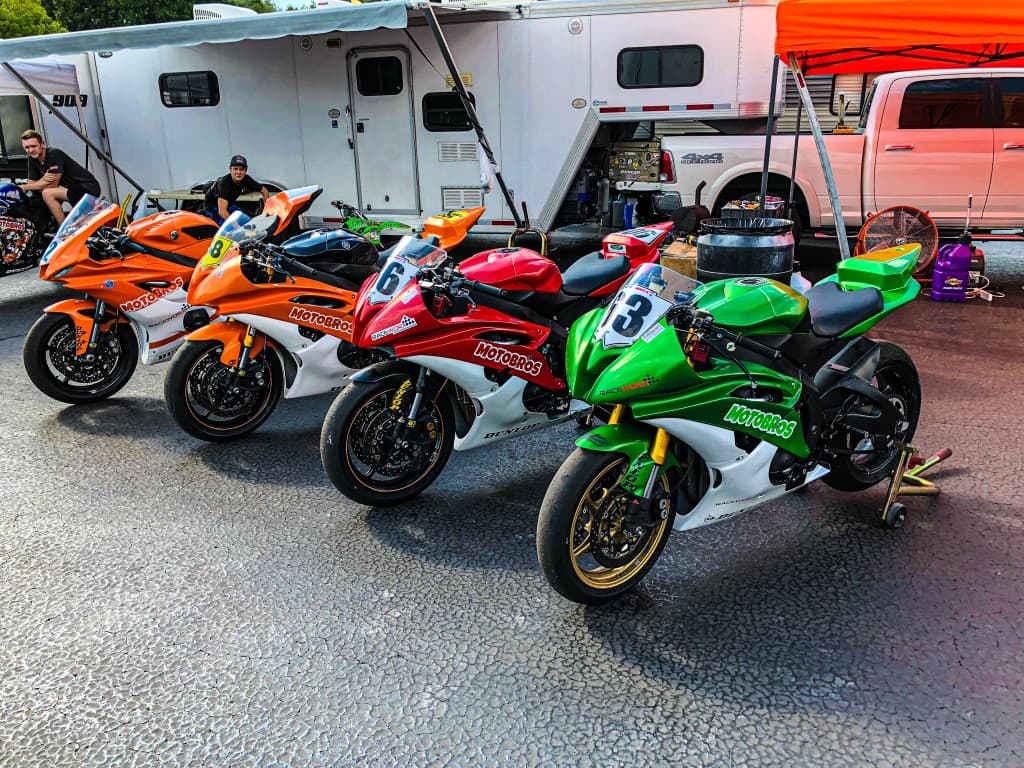
Winning Power
Proven on track
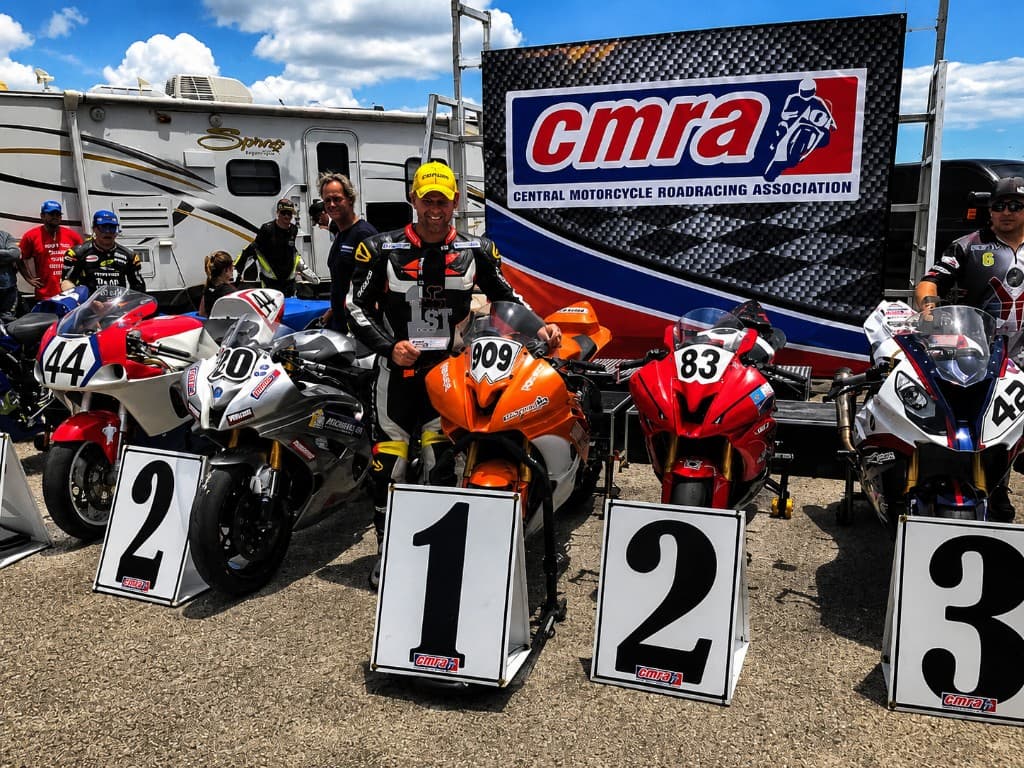
Power gains
Measured on the dyno.
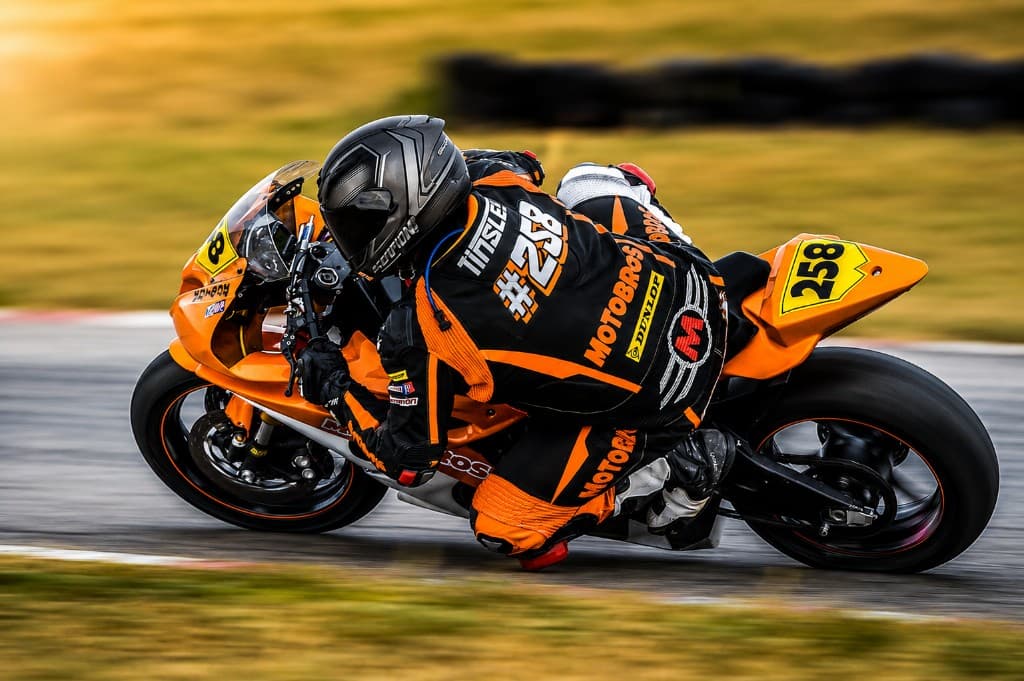
Track validation
Prove it on circuit.
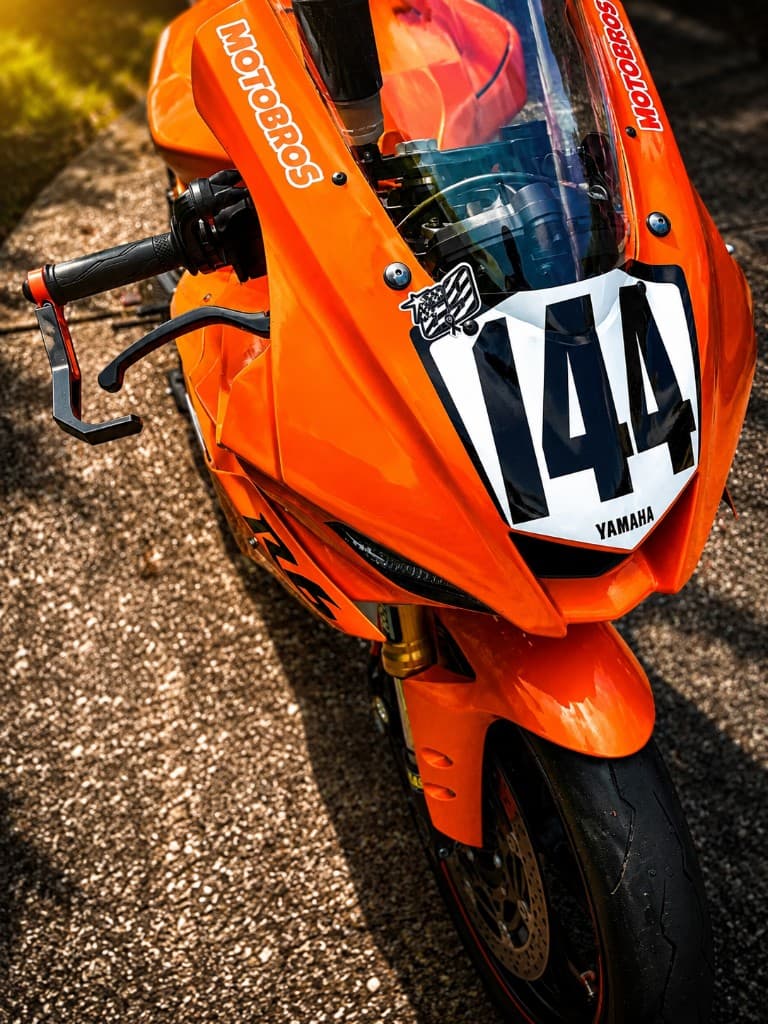
Race prep
Ready for the grid.
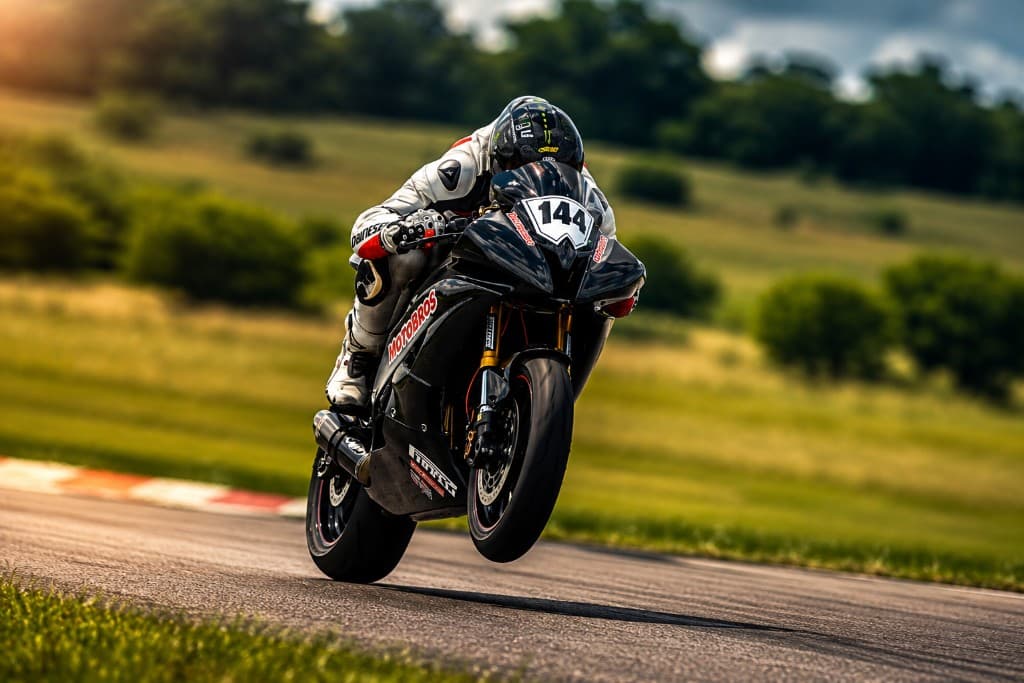
On track
Feel the difference.
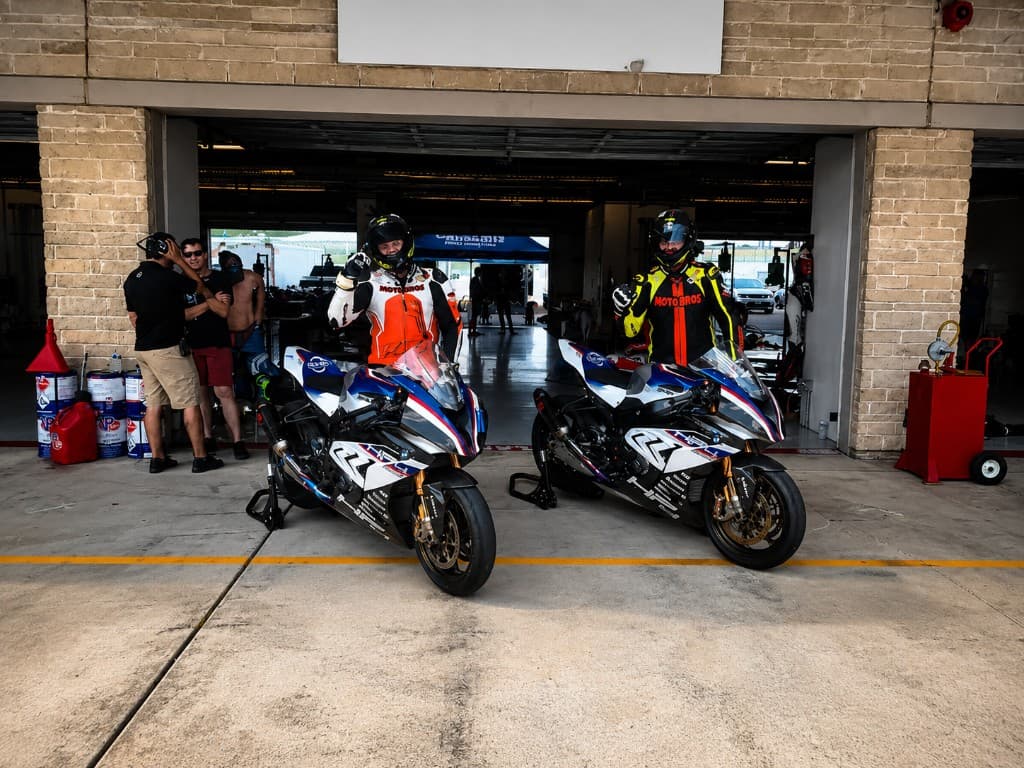
Pit crew
Expert hands on your bike.
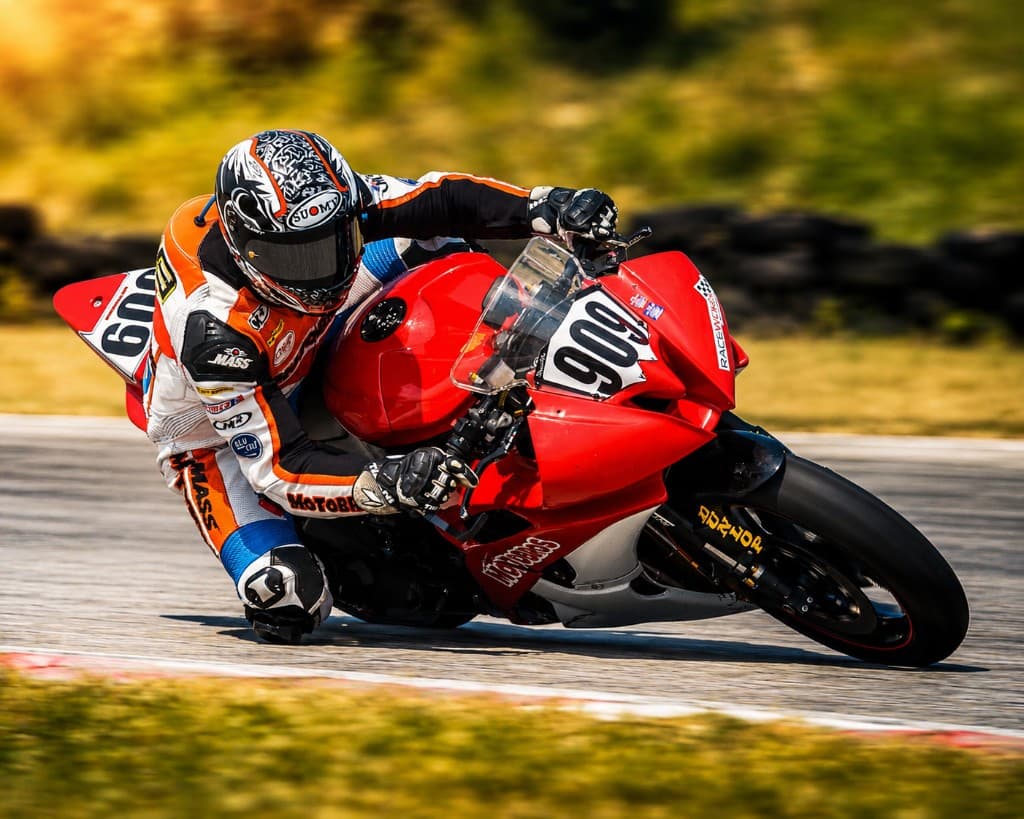
Every lap counts
Performance you can trust.
Frequently Asked Questions
Dyno Tuning Motorcycles — How does it work and why is it important?
What is a Dyno?
A dynamometer (Dyno) is a machine used for measuring the torque and power of a motorcycle while also monitoring the air fuel ratio. It is used to assess a vehicle's state of tune by placing the vehicle under different loads and acceleration rates, measuring the results, and making appropriate modifications and changes to the tune of the motorcycle.
Why do I need my bike Dyno Tested?
If you have installed any aftermarket items like an exhaust or air filter, these changes can alter your air fuel ratio (AFR). This can result in a motorcycle that is not making the optimum power and, in extreme circumstances, it can lead to dangerously lean conditions which can cause engine damage. You should have your motorcycle ECU tuned to suit the modification.
Correcting the AFR by a professional tuner will result in a smoother, more efficient running motor with maximum power and torque.
Do I need a tune after installing an exhaust?
Most of the time, yes. It depends on the motorcycle and the exhaust. A slip-on may not require significant changes, while a full exhaust system can alter airflow enough that tuning is beneficial. A proper tune can help optimize fueling, throttle response, and power delivery for the new setup.
Will a tune improve fuel economy?
Yes, particularly if the existing calibration is excessively rich or poorly optimized. However, fuel economy improvements are not guaranteed, and a performance-focused tune may increase fuel consumption depending on how the motorcycle is ridden.
Will tuning make my motorcycle faster?
Tuning can improve horsepower, torque, throttle response, and the way power is delivered. Some motorcycles see substantial gains, while others see modest improvements. The biggest difference may be how smoothly and consistently the motorcycle accelerates rather than the peak horsepower number.
Does a dyno tune only focus on full throttle?
No. A comprehensive dyno tune can include partial-throttle fueling, throttle response, ignition calibration where appropriate, and other operating areas. The scope of the tune depends on the equipment, ECU access, and the service being performed.
Which tune should I choose for my motorcycle?
If you want measured horsepower, optimized high-load performance, and a controlled tuning environment, a dyno tune is usually the best choice. If your primary goal is refining real-world rideability or verifying an existing calibration, street tuning may be useful. At MotoBros, we can help determine the appropriate approach based on your motorcycle, modifications, and riding goals.
Why is a custom dyno better than a Send In Flash or a map downloaded off the internet?
There are differences in each motorcycle, even motorcycles from the same make, model, and year. These differences are due to tolerances during the build of the motor and during manufacturing. Maps downloaded off the internet or loaded by send-in flashing services or pre-configured flashes are designed to get you close for your bike's modifications, but that doesn't take into consideration local fuel, altitude, ambient temperature, humidity, location, or the differences between each bike — sometimes these maps can result in your motorcycle running worse.
By tuning the air/fuel ratio, ignition timing, and electronic throttle valve (ETV) for your specific motorcycle, you can get the best power and rideability for your individual bike.
Dyno Tune vs. Street Tune
Choosing the right tuning method for your motorcycle can be confusing. Both dyno tuning and street tuning can improve performance and rideability, but they serve different purposes. Here are the most common questions we get at MotoBros.
What is the difference between a dyno tune and a street tune?
A dyno tune is performed on a chassis dynamometer, where the motorcycle can be tested under controlled and repeatable conditions. A street tune uses data collected while the motorcycle is ridden in real-world conditions. Dyno tuning is ideal for measuring horsepower and torque and calibrating high-load areas, while street tuning is useful for refining everyday rideability.
The reason you will never get max HP from a Street Tune
A Street tune can not optimize ignition timing. The only safe and accurate place to tune ignition timing is on a professional dynamometer.
A dyno allows the tuner to hold the motorcycle at precise RPM and throttle positions while measuring horsepower, torque, air/fuel ratio, and engine behavior after every small timing adjustment. The tuner can safely determine whether advancing or retarding the timing increases power or simply creates additional heat and stress on the engine.
The performance gains from ignition timing are often relatively small—typically only a few horsepower—but the margin between making more power and causing expensive engine damage can be extremely small. A change of only one or two degrees can be the difference between a smooth-running engine and one suffering from detonation or pre-ignition.
Trying to adjust ignition timing using a downloaded map, guesswork, or road testing is extremely risky because you cannot safely repeat identical conditions or accurately measure the effects of each change. A motorcycle may appear to run fine while slowly damaging pistons, rings, or bearings under heavy load.
A professional dyno tuner can safely find the optimal ignition timing for your specific motorcycle, fuel, modifications, and riding conditions, ensuring you achieve the best possible combination of power, throttle response, reliability, and engine longevity.
Which one makes more horsepower?
A dyno tune is generally the better choice when maximum performance is the goal because the tuner can safely and consistently test the engine under load and measure the results. However, horsepower gains depend on the motorcycle, its modifications, and the quality of the calibration. A street tune can also improve performance, but it cannot provide the same accurate horsepower measurement.
Is a dyno tune better than a street tune?
Neither is automatically better for every situation. Dyno tuning provides a controlled environment for performance testing, while street tuning allows the tuner to evaluate how the bike behaves during actual riding. For the most complete result, a dyno tune followed by real-world verification can be an excellent approach.
Can a street tune measure horsepower?
Not accurately in the same way as a chassis dynamometer. Road-based calculations can estimate performance, but variables such as wind, road gradient, rider weight, and traction affect the results. A dyno is the proper tool when you want measured wheel horsepower and torque.
Is Tuning safe for my engine?
When performed by a qualified tuner on a mechanically sound motorcycle, dyno tuning is a controlled method of testing. It does place the engine and drivetrain under load, so proper cooling, tire condition, maintenance, and responsible testing procedures are important. No tuning method can guarantee that a mechanical failure will not occur.
Is street tuning safe?
Normal road data logging can be performed safely and legally when the rider remains focused on riding. High-speed or full-throttle testing should not be performed on public roads. Those areas are better evaluated on a dyno or closed course.
How long does a tune take?
The time varies depending on the motorcycle, ECU, modifications, and whether the bike has any mechanical or electrical issues. A straightforward calibration may take a few hours, while a complex setup or diagnostic problem can require additional time.
Ready to get your motorcycle running the way it should? Contact MotoBros to discuss your setup and find out which tuning option is right for you.